
Automated Guided Vehicles
Driverless trucks that follow a set route and repeat the same movement the same way, shift after shift. In partnership with Rocla we supply nine vehicle types, from a compact pallet truck to a straddle carrier, and we integrate them into your site ourselves.
Built with Rocla
An automated guided vehicle moves materials around your facility without a driver. It reads its position from sensors, cameras and navigation systems, follows the route it has been given, and carries raw materials, work in progress, finished pallets or waste between the points you nominate. The run happens on schedule rather than when somebody is free to do it.
Rocla have been building automated trucks for decades and their range is wider than anyone else we deal with, which matters because the vehicle should be chosen to suit the load and the aisle rather than the other way round. A reel of paper, a bale, a drum and a euro pallet are four different handling problems, and there is a purpose-built truck for each.
We are authorised to supply the Rocla range across New Zealand and Australia. What we add is the part that decides whether the project works: route design, the handover points, and making the fleet talk to the racking, the conveyors and the warehouse system you already run.
The nine vehicle types
Every one of these is a driverless version of a truck you already know, so your team recognises what it is doing. Tell us the load and the aisle and we will tell you which of them fits.
-
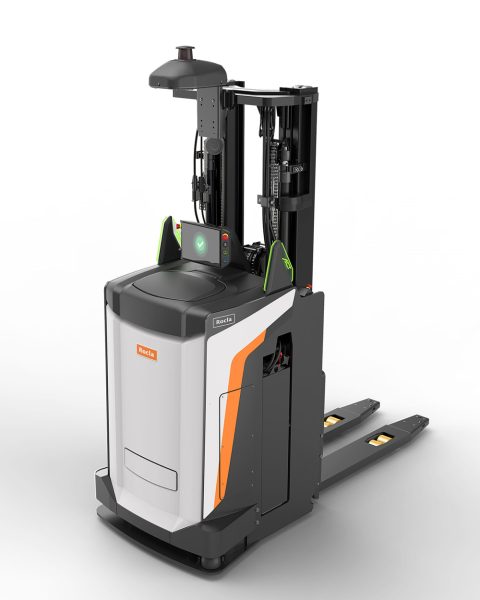
Automated Compact Truck ACT
-
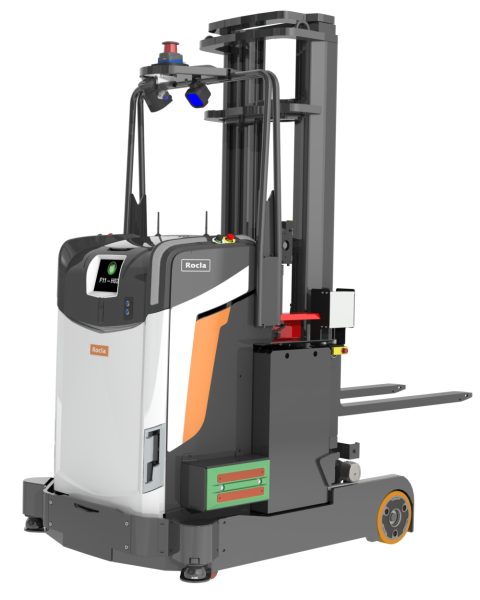
Reach Truck ART
-
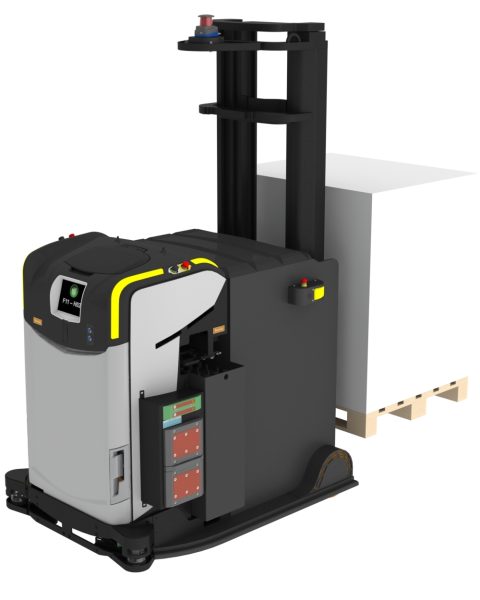
Counterbalance AWT
-
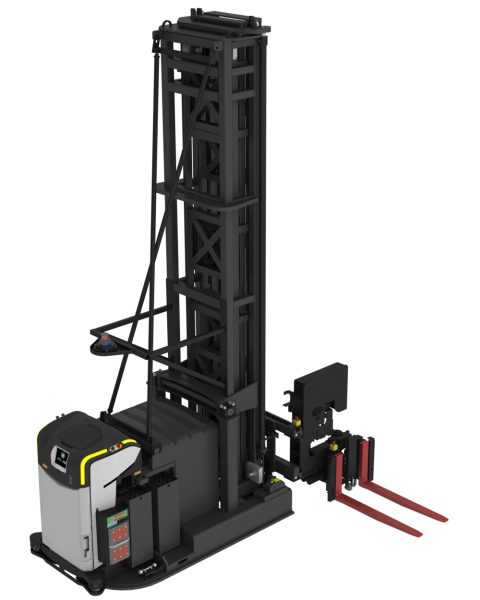
Very Narrow Aisle AWT
-
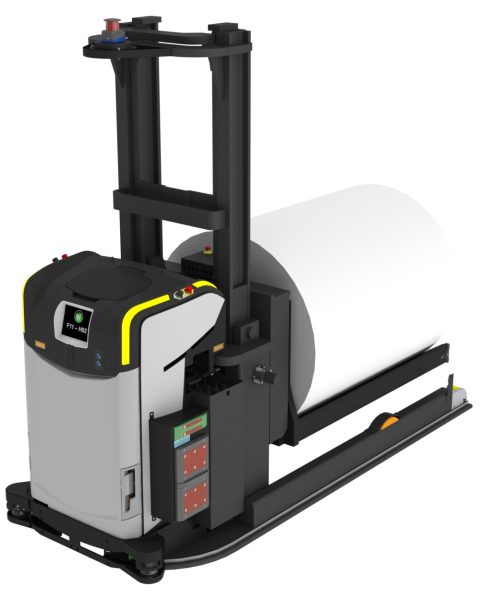
Reel Fork AWT
-
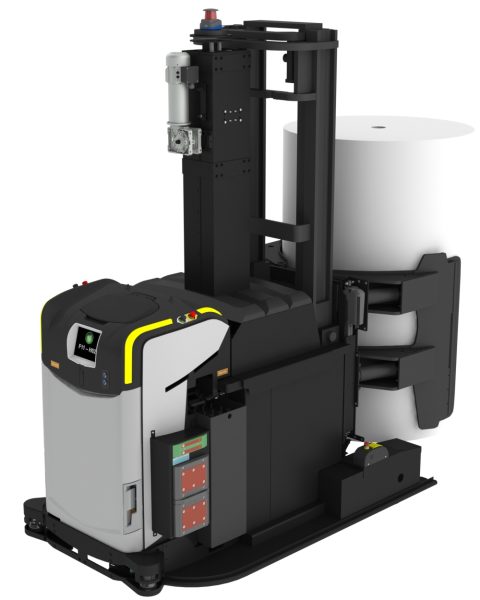
Roll Clamp AWT
-
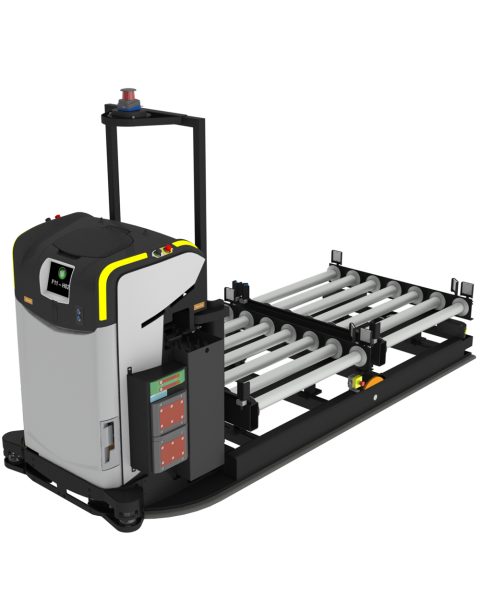
Conveyor AWT
-
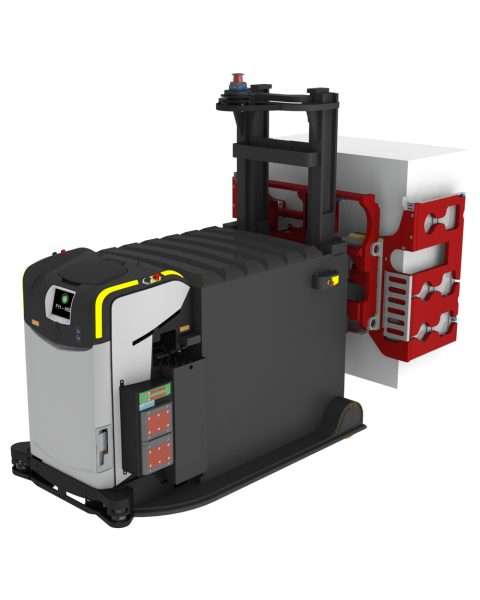
Bale Clamp AWT
-
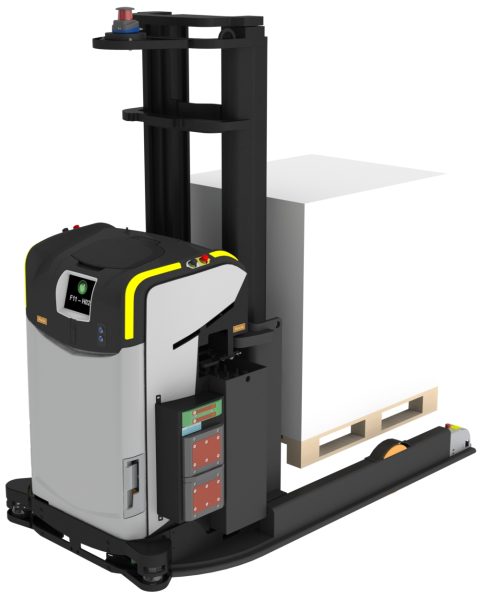
Straddle AWT
Where they are working
Six industries where Rocla vehicles are already doing the repetitive movement. If yours is not listed, the question is still the same one: what is the load, and where does it need to go.
-
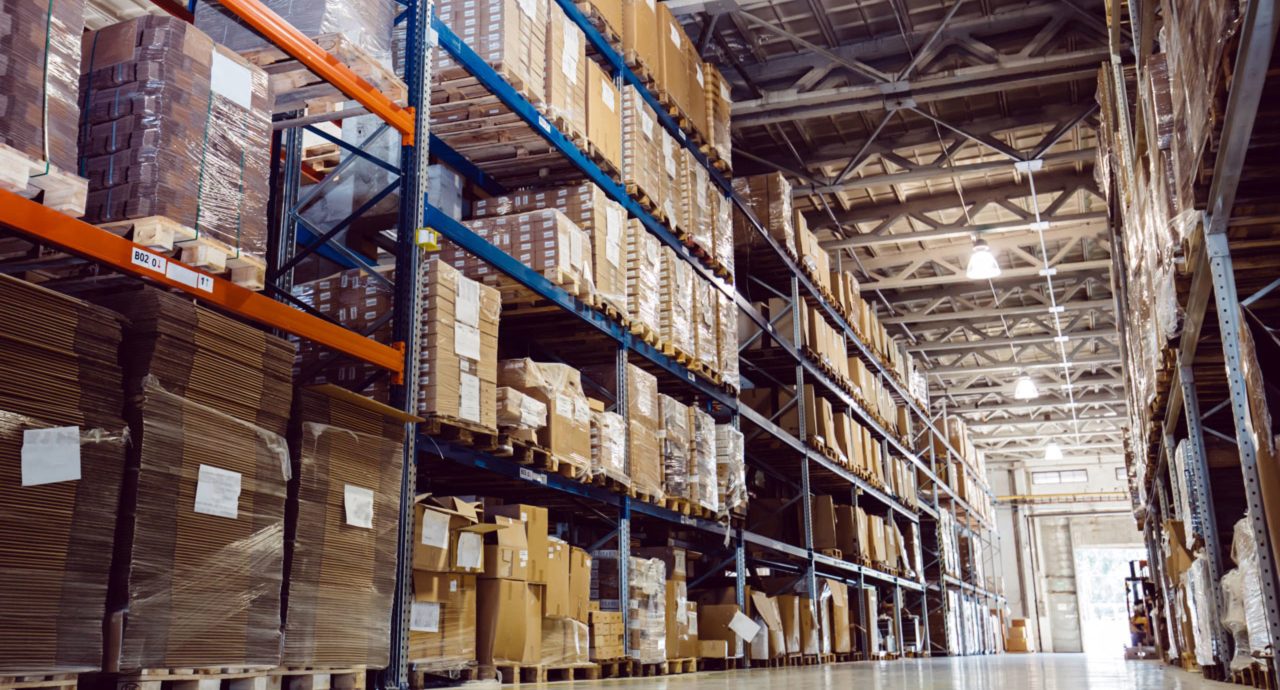
Warehousing and logistics
Goods in to storage, storage to dispatch, staged and ready before the truck arrives.
-
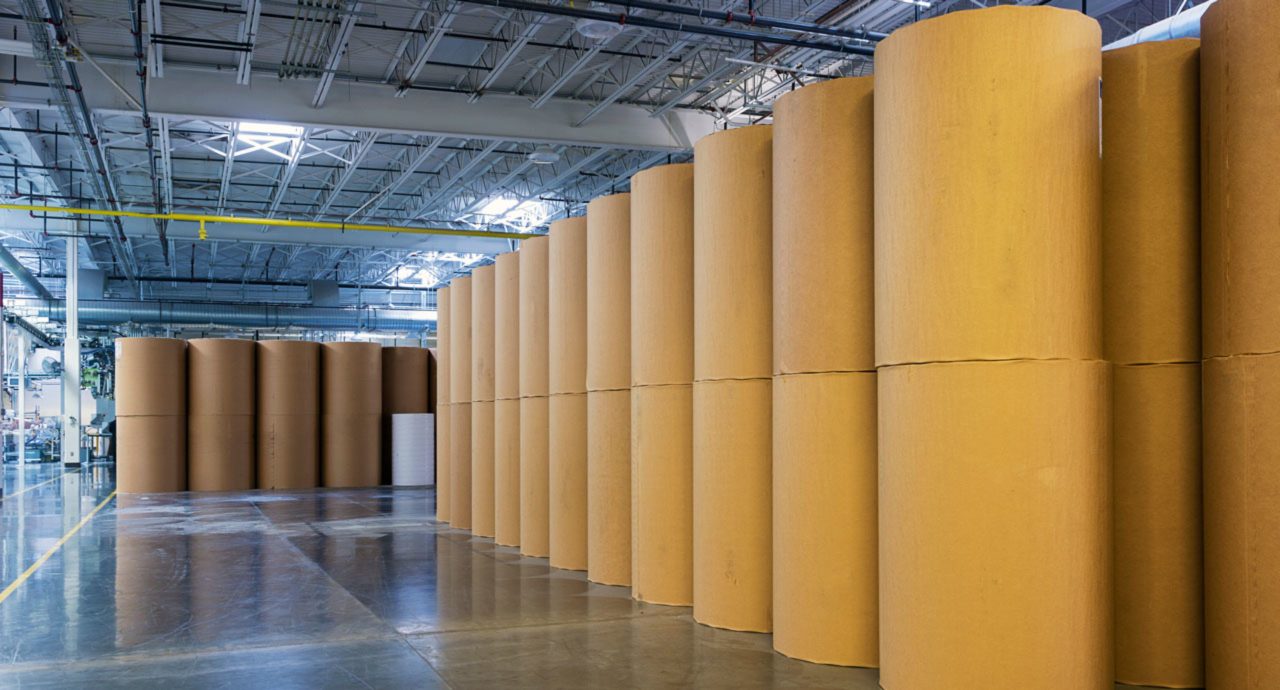
Paper and board
Reels and stacks are heavy, awkward and easily damaged. The reel fork and roll clamp trucks are built for exactly this.
-
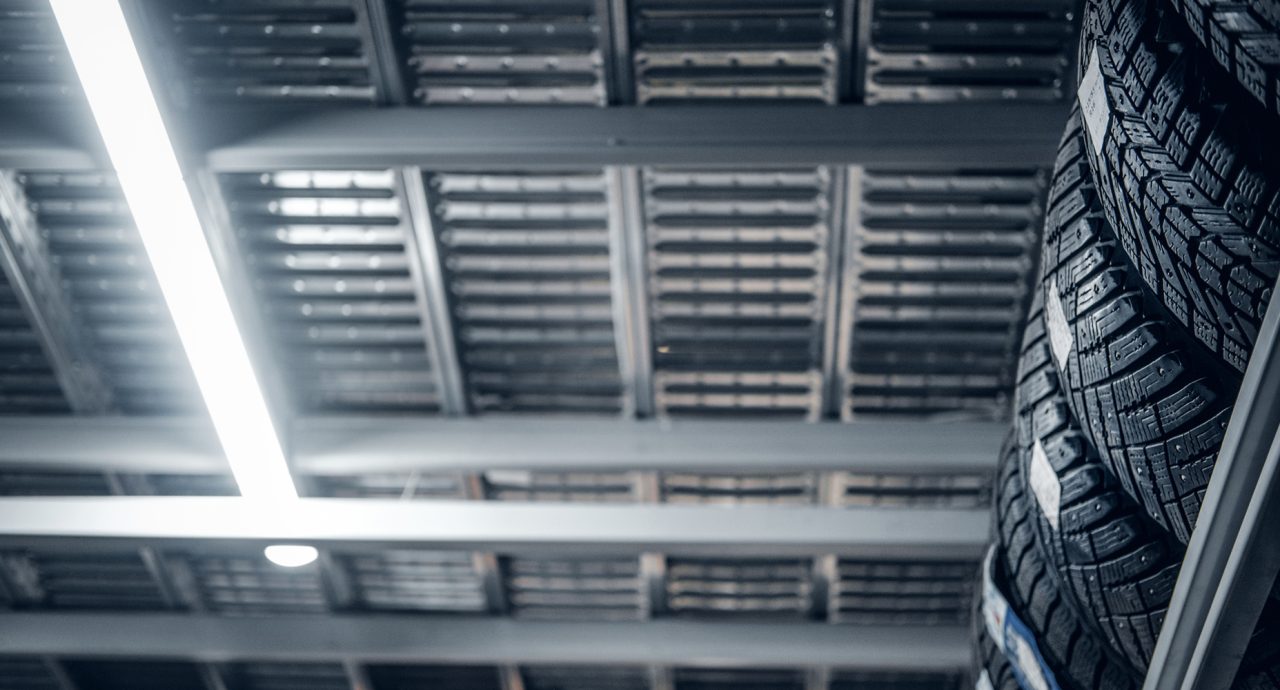
Tyre
High volume, repetitive movement of a bulky product where manual handling is the injury risk.
-
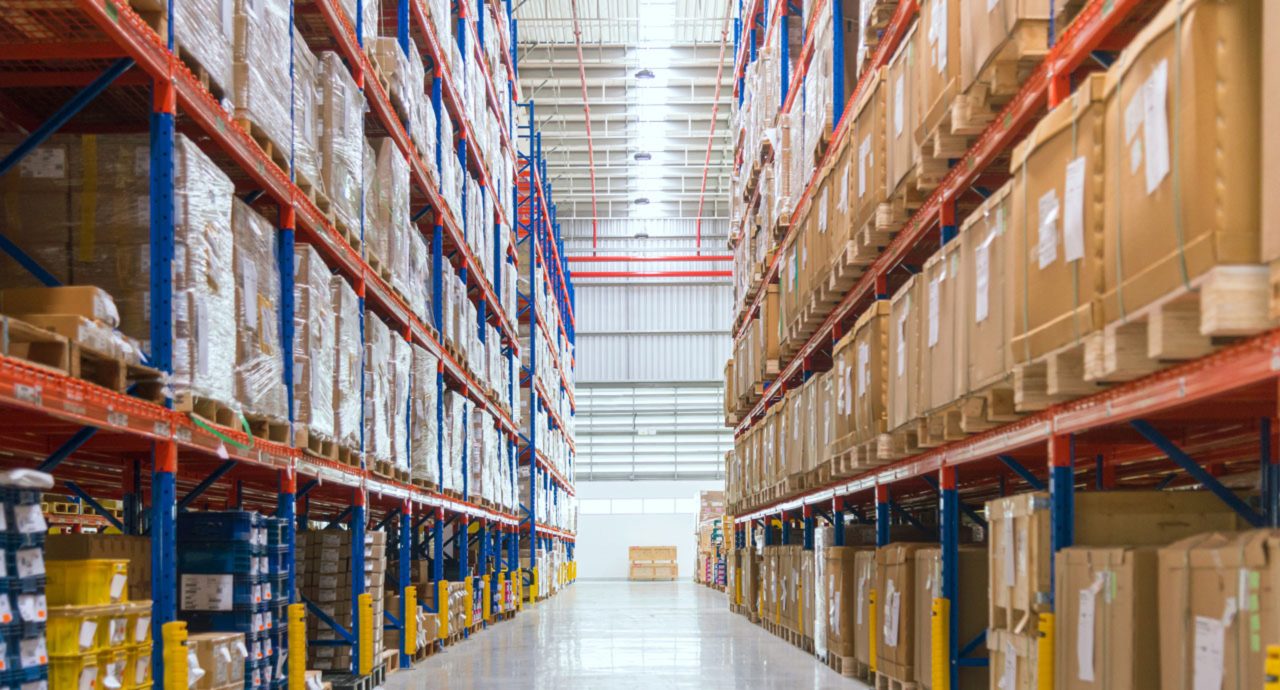
Manufacturing
Raw material to the line and finished pallets away from it, on a route that does not change.
-
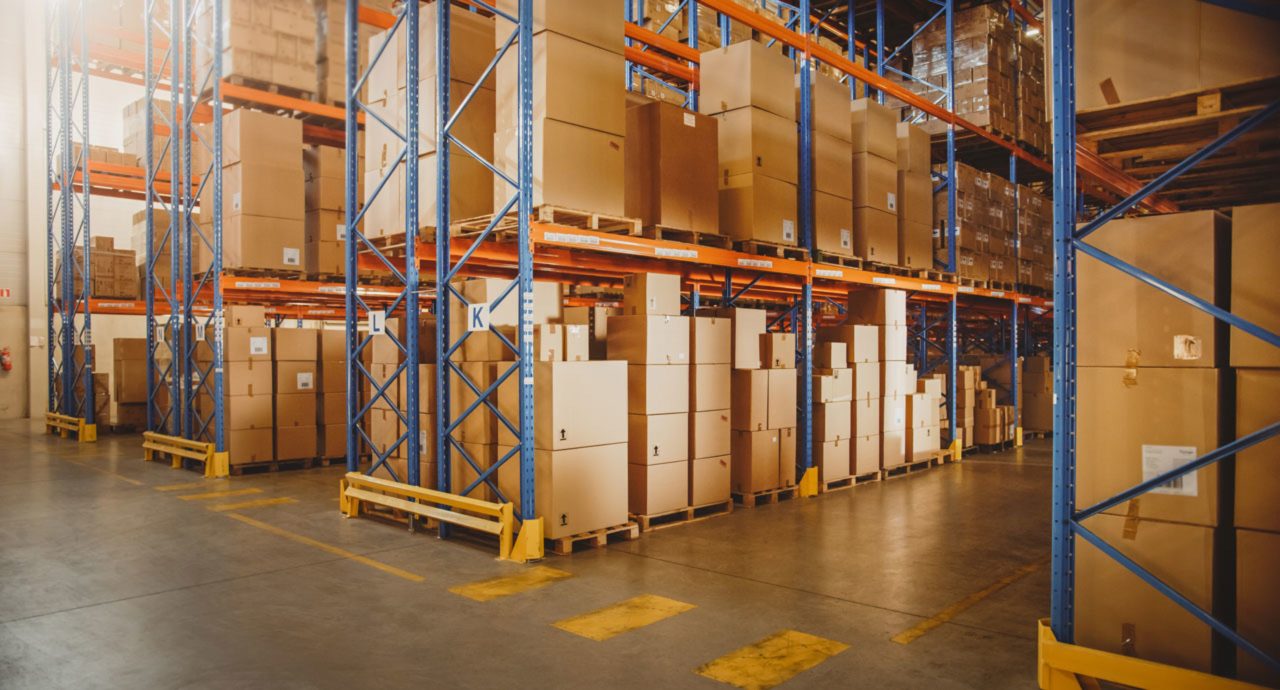
Packaging
End of line to the store, at the pace the line runs rather than the pace a driver can keep up with.
-
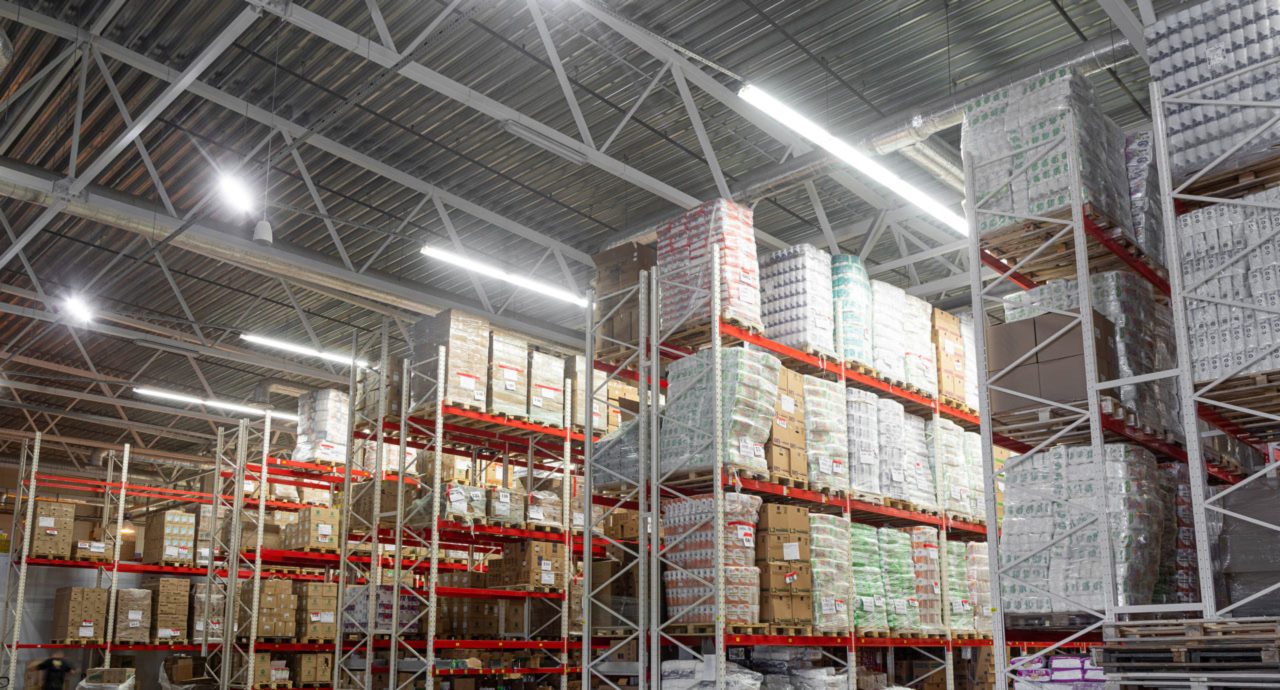
Food and beverage
Including chilled and frozen space, where people should be spending less of the shift.
The vehicle is the easy part
What decides whether an AGV project works is the route design, the handover points and the way the vehicles talk to everything else on your floor. That is the engineering we do in house, and have done for over 71 years.
Tell us about the run
Describe the movement you want taken off your team: what it carries, where it goes, how often, and what else is on that floor. We will come back with the vehicle that fits and an honest view of what it will take.